

 Submit RFI/RFP
 Request Consultation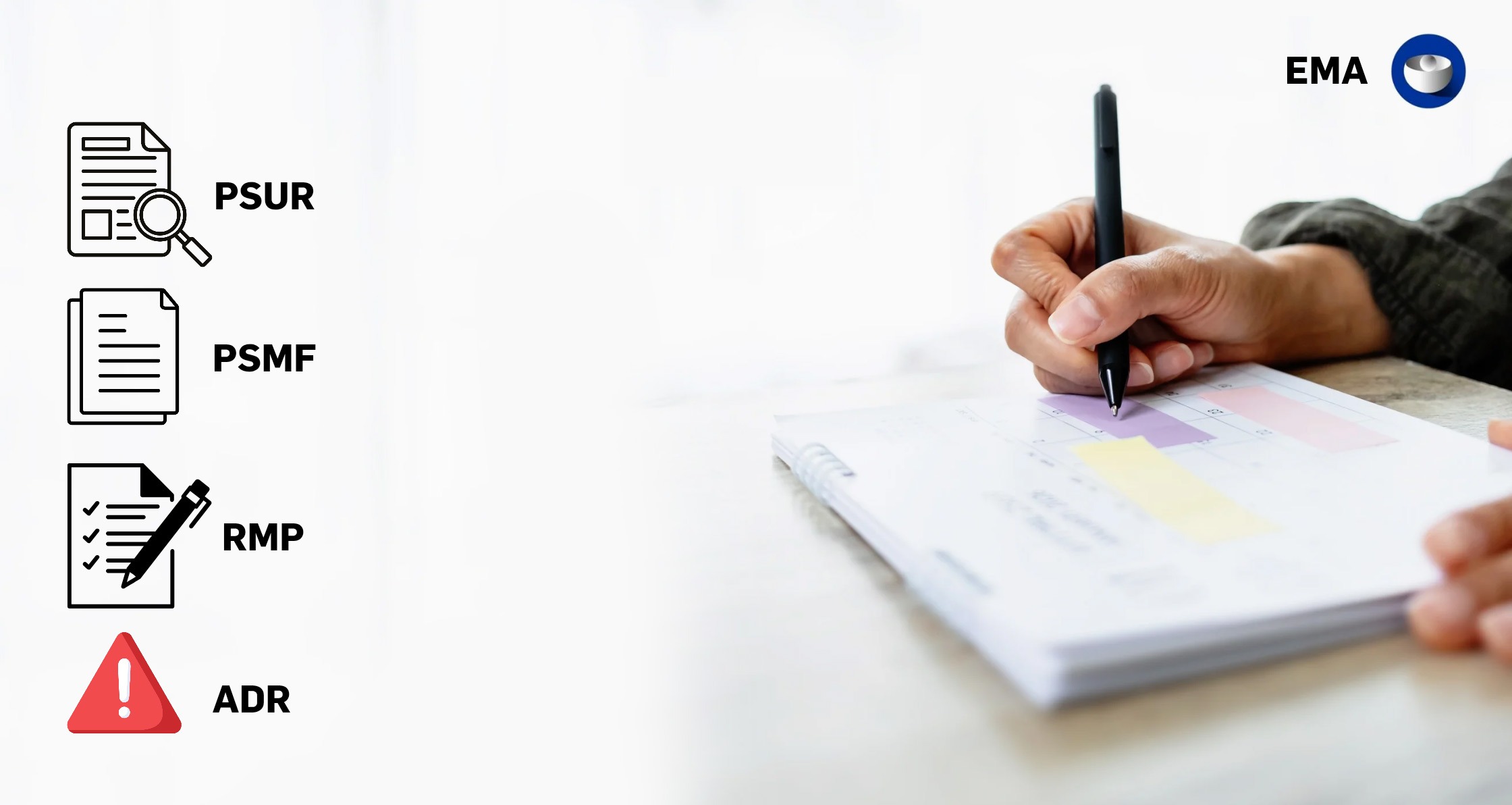
Introduction
Pharmacovigilance (PV) compliance stands at the heart of patient safety and public health protection. In an increasingly complex regulatory environment, organizations must maintain robust systems to monitor, assess, and report adverse events associated with medicinal products.
PV compliance is not merely a regulatory obligation—it is a structured, proactive commitment to ensuring that benefit–risk profiles remain favourable throughout a product’s lifecycle.
Understanding Pharmacovigilance Compliance
Pharmacovigilance compliance refers to adherence to regulatory requirements governing the detection, assessment, understanding, and prevention of adverse effects or any other drug-related problems.
Global regulatory authorities such as the European Medicines Agency, U.S. Food and Drug Administration, and Medicines and Healthcare products Regulatory Agency impose structured frameworks to ensure that Marketing Authorization Holders (MAHs) continuously monitor product safety.
At its core, PV compliance ensures:
- Continuous safety monitoring
- Accurate and timely reporting
- Transparent communication with health authorities
- Effective risk management strategies
Organizations that lack internal infrastructure often partner with specialized providers offering structured Pharmacovigilance Services to maintain regulatory alignment and operational continuity:
https://baupharma.com/services/pharmacovigilance/
Roles and Responsibilities in PV Compliance
The Marketing Authorization Holder (MAH)
The MAH holds ultimate responsibility for maintaining a compliant PV system. This includes:
- Ensuring adequate staffing and training
- Maintaining a Pharmacovigilance System Master File (PSMF)
- Appointing a Qualified Person for Pharmacovigilance (QPPV)
- Overseeing third-party vendors
Sustainable compliance requires integration between regulatory strategy, quality management, and operational oversight.
Qualified Person for Pharmacovigilance (QPPV)
The QPPV ensures the PV system operates in full compliance with applicable regulations. Responsibilities include:
- Acting as the primary contact for authorities
- Overseeing safety reporting
- Maintaining inspection readiness
- Supervising risk management activities
The QPPV must have sufficient authority, visibility, and access to safety data to ensure accountability and regulatory transparency.
Documentation and Quality Systems: The Backbone of Compliance
A robust Quality Management System (QMS) underpins pharmacovigilance compliance.
Standard Operating Procedures (SOPs), deviation management, CAPAs, and audit programs collectively ensure traceability and inspection readiness.
For organizations seeking structured regulatory governance beyond PV operations, integrated Regulatory Affairs and Compliance Services can strengthen lifecycle oversight and ensure sustainable market presence:
https://baupharma.com/services/
Inspection Readiness: A Continuous State
Inspection readiness must be embedded in daily operations—not treated as a periodic activity.
Companies should maintain:
- Updated PSMF documentation
- Training logs
- Delegation records
- Validated safety databases
- Clear audit trails
Mock inspections and internal compliance reviews help reinforce preparedness.
Why PV Compliance Matters
Beyond regulatory enforcement, PV compliance safeguards patient trust and public health.
Timely identification of safety concerns can lead to:
- Label updates
- Risk minimization measures
- Product recalls or withdrawals
Strong compliance reflects corporate responsibility and scientific integrity.
Key Takeaways
- PV compliance maintains a favourable benefit–risk profile.
- Regulatory frameworks require structured reporting and signal detection.
- The MAH and QPPV are central to accountability.
- A strong QMS ensures sustainability.
- Inspection readiness must be continuous.
Pharmacovigilance compliance is not simply a regulatory checkbox—it is a foundational pillar of patient safety and public health protection.






 Submit RFI/RFP