

 Submit RFI/RFP

 Request Consultation
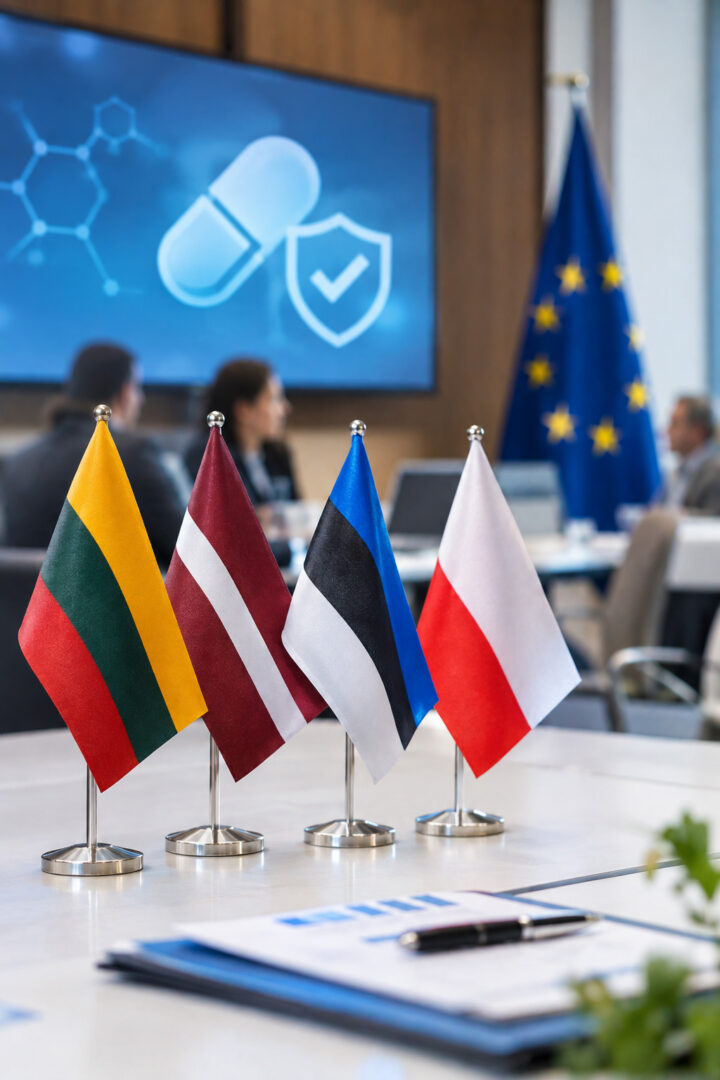
Baltic and Polish Medicines Agencies Meet to Discuss Shared Regulatory Priorities
The 2026 Baltic and Polish Medicines Agencies Meeting brought together specialists from Lithuania, Latvia, Estonia and Poland in Riga to discuss key developments affecting the pharmaceutical sector and opportunities to strengthen regional cooperation.
Organised by the Latvian Medicines Agency, the meeting provided a platform for exchanging experience on changes in European Union pharmaceutical legislation, national implementation challenges, medicine availability and preparedness for potential supply disruptions.
Discussions also addressed regulatory challenges facing national competent authorities and opportunities for closer cooperation in areas including pharmacovigilance, medicine quality oversight and clinical research.
Preparing for Changes in EU Pharmaceutical Legislation
One of the central topics was the ongoing evolution of the EU pharmaceutical legislative framework and the challenges associated with implementing new requirements at national level.
Representatives discussed how national competent authorities can prepare for these changes while maintaining effective regulatory oversight. The exchange also highlighted the value of regional cooperation in addressing common implementation challenges and sharing practical experience.
As pharmaceutical requirements continue to evolve, coordination between regulatory authorities remains important for supporting consistent approaches and effective supervision across the region.
Strengthening Medicine Availability and Supply Preparedness
Medicine availability was another major focus of the meeting, particularly the need to monitor supply conditions and prepare for potential disruptions.
Participants exchanged views on:
- Monitoring the availability of medicinal products.
- Preparing for possible supply interruptions.
- Improving information exchange between authorities.
- Strengthening preparedness for potential medicine supply crises.
The discussions also considered opportunities to align approaches to medicine pricing regulation among the Baltic countries, taking into account the specific characteristics and limitations of smaller pharmaceutical markets.
Electronic Package Leaflets and Pharmaceutical Digitalisation
The meeting included a dedicated discussion on the electronic Package Leaflet (ePL) initiative and its implementation progress in the Baltic countries.
Representatives of the Estonian Medicines Agency presented the progress achieved in their country, providing an opportunity for other participants to exchange experiences and discuss potential next steps for the initiative.
The ePL initiative forms part of the digitalisation of pharmaceutical information. Its objectives include improving access to up-to-date medicine information for patients and healthcare professionals, enabling more efficient updates and supporting more effective management of medicine information.
The exchange highlighted the importance of sharing implementation experience as countries continue exploring the use of electronic package leaflets.
Regulatory Discussions Across Key Areas
The meeting also featured thematic sessions covering national marketing authorisation procedures, pharmacovigilance, Good Manufacturing Practice (GMP) supervision, laboratory activities and Health Technology Assessment (HTA).
Pharmacovigilance and Medicine Safety
Pharmacovigilance specialists discussed several practical challenges related to medicine safety monitoring, including adverse drug reaction reporting, safety signal assessment and the use of national databases.
The responsibilities of parallel importers and distributors were also addressed, reflecting the importance of clear responsibilities and effective information exchange within medicine safety systems.
These discussions highlighted the continuing role of pharmacovigilance in identifying and evaluating potential safety concerns and supporting regulatory decision-making.
Manufacturing, Distribution and Quality Oversight
Experts responsible for manufacturing and distribution supervision exchanged experience on preparing for new regulatory requirements and strengthening cooperation between authorities.
The discussions also covered the control of falsified medicinal products distributed through illegal markets, as well as challenges associated with supervising products moving across borders.
Official Medicines Control Laboratories (OMCLs) discussed laboratory testing, quality control, institutional cooperation and the exchange of testing experience. These activities support more effective organisation of medicinal product quality oversight.
Regional Cooperation in Clinical Research
Clinical research was another important area of discussion. Participants explored opportunities to strengthen cooperation between Baltic countries in clinical trials and make the region more attractive for clinical research.
The exchange also addressed how institutional resources could be used more efficiently through closer cooperation.
For organisations involved in clinical development across different markets, understanding national regulatory requirements and coordinating clinical research activities remain important considerations. Baupharma provides clinical research support alongside its regulatory and pharmacovigilance activities.
Health Technology Assessment and Access to Medicines
HTA specialists discussed participation in joint EU assessment procedures and practical opportunities for cooperation.
The discussions also considered challenges related to medicine availability in smaller markets, highlighting the relationship between assessment processes, national circumstances and patient access to medicinal products.
Strengthening Regional Regulatory Cooperation
The 2026 meeting provided an opportunity for regulatory specialists from the four participating countries to exchange experience, discuss shared challenges and consider areas where closer cooperation could be beneficial.
The topics covered reflected the broad responsibilities of national medicines agencies, from adapting to new European pharmaceutical requirements and monitoring medicine availability to pharmacovigilance, laboratory testing, clinical research and health technology assessment.
By supporting professional exchange and the development of common approaches, such meetings contribute to regional preparedness for regulatory changes and shared pharmaceutical sector challenges.
Conclusion
The discussions in Riga highlighted the importance of cooperation between medicines agencies as the European pharmaceutical landscape continues to evolve.
From medicine supply preparedness and electronic package leaflets to pharmacovigilance, clinical research and quality oversight, the meeting addressed several areas requiring continued coordination and information exchange.
These efforts support the shared objective of ensuring that patients have access to safe, quality and effective medicines while strengthening the ability of regulatory authorities to respond to emerging challenges.
For more information:




 Submit RFI/RFP